Tom Zhu: Next CEO for Tesla?
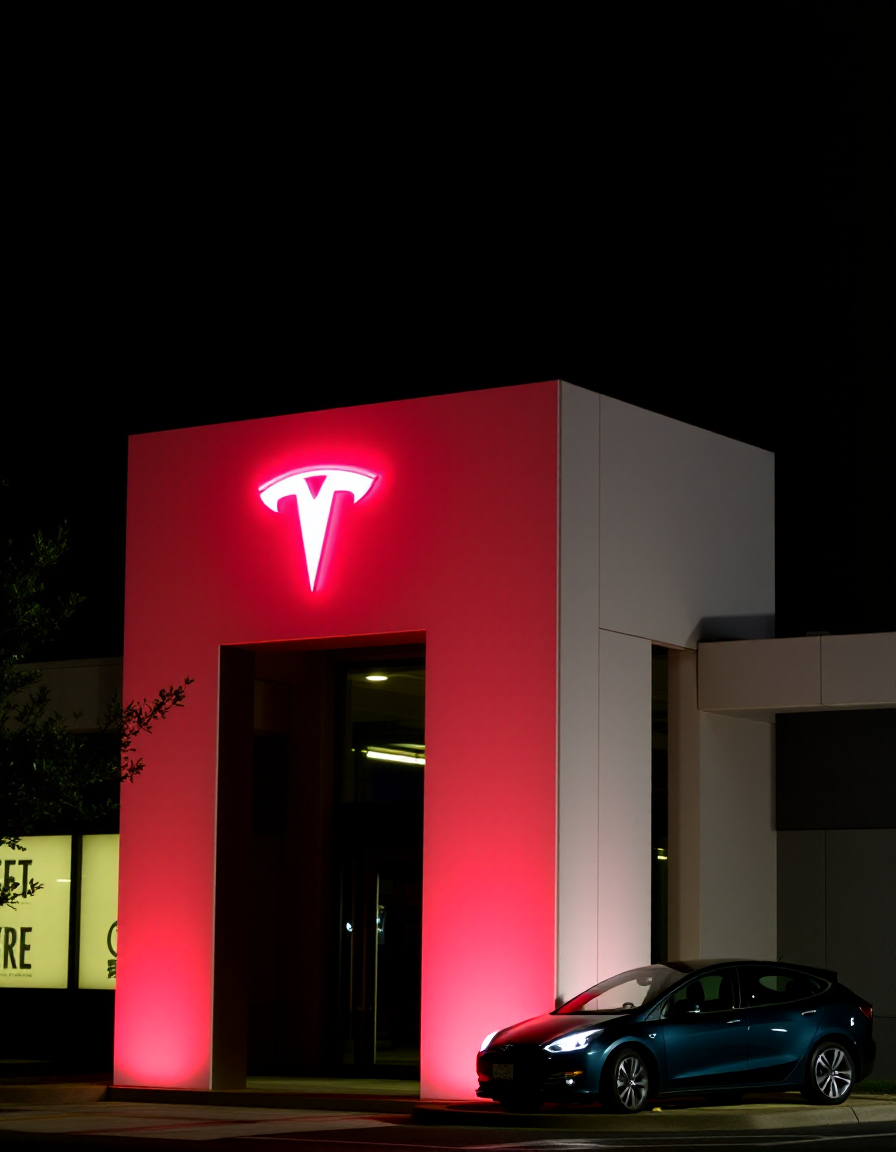
Is Tom Zhu the Future of Tesla? A Look at Leadership, Stock Performance, and the Rise of BYD
Tesla has long been a dominant force in the electric vehicle (EV) industry, led by its charismatic CEO, Elon Musk. However, with recent turmoil in the company’s stock performance, growing competition from Chinese automaker BYD, and Musk’s divided attention among multiple ventures, speculation is growing about whether Tesla could see a leadership change. Could Tom Zhu, a rising star at Tesla, be the future leader of the company? This article explores his potential, the company’s challenges, and the emerging competition from BYD.
Tom Zhu: A Rising Star at Tesla
Early Career at Tesla
Tom Zhu joined Tesla in 2014, initially managing the company’s Supercharger network in China. His leadership skills quickly became apparent as he rose through the ranks. Zhu became the General Manager of Tesla China, overseeing the establishment and success of Gigafactory Shanghai, which became Tesla’s most productive factory. His ability to navigate complex regulatory environments and scale production helped Tesla significantly expand in China.
Promotion and Growing Influence
In April 2023, Zhu was promoted to Senior Vice President of Automotive, taking on control of Tesla’s global automotive operations. This promotion marked Zhu as one of the key figures in Tesla’s leadership team. For a time, he was considered Elon Musk’s second-in-command, overseeing daily operations while Musk focused on other ventures like SpaceX and X (formerly Twitter).
However, in May 2024, Zhu’s role shifted again as he stepped back from overseeing North American and European operations to focus on the Asia-Pacific region. This shift raised questions about whether Tesla was actively grooming him for the CEO role.
Will Tom Zhu Take Over Tesla?
Reasons Why Zhu Could Be Musk’s Successor
- Proven Leadership: Zhu’s ability to lead Tesla through complex markets like China has proven invaluable. His leadership in scaling production and navigating regulatory challenges has positioned him as a key player in Tesla’s success.
- Operational Expertise: Unlike Musk, who is known for his visionary, forward-thinking approach, Zhu is known for being a hands-on operator. In Tesla’s current state, where operational efficiency is critical, Zhu’s practical management style may be just what the company needs.
- Musk’s Other Commitments: With Musk overseeing several major companies, including SpaceX, Neuralink, and The Boring Company, he may eventually step back from daily operations at Tesla, paving the way for Zhu to take over.
Why Zhu Might Not Take Over
- Musk’s Reluctance to Step Down: Musk has made it clear that he plans to remain at Tesla for the long term. His deep involvement in Tesla’s product design, artificial intelligence, and battery technology suggests that he may not be ready to relinquish control.
- Stock and Investor Sentiment: Tesla’s stock is heavily tied to Musk’s leadership and persona. If Musk were to step down, it could shake investor confidence and lead to volatility in the stock price, making a leadership transition difficult.
- Recent Developments: Zhu’s recent shift back to focusing on Tesla’s operations in China suggests that his future within the company may remain regional rather than global.
Tesla’s Stock Performance: A Troubling Sign?
As of April 5, 2025, Tesla’s stock price has dropped to $239.43, reflecting a 10.4% decline from the previous close. More concerning is the year-to-date performance, with the stock down nearly 40%.
Several factors have contributed to this decline:
- Disappointing Vehicle Deliveries: Tesla’s Q1 2025 vehicle deliveries were 337,000, a 13% drop from the previous year and far below Wall Street’s expectations, signaling weak demand and potential production issues.
- Political Backlash: Musk’s involvement with the Trump administration’s Department of Government Efficiency (DOGE) has drawn protests and negative press, damaging Tesla’s public image.
- China Tariffs and Trade Tensions: A 34% tariff on U.S. imports imposed by China has had a major impact on Tesla’s operations in the region, which accounted for 21.4% of Tesla’s total revenue in 2024.
- Weakening Investor Confidence: Analysts have begun downgrading Tesla’s prospects. For example, JPMorgan reduced its earnings estimates for Q1 2025, predicting a lower earnings per share (EPS) than previously expected.
- Wells Fargo’s Bearish Prediction: Analysts at Wells Fargo forecast a 50% drop in Tesla’s stock, citing factors like weak deliveries, declining earnings, and skepticism about new product releases.
Tesla vs. BYD: Losing the EV Battle?
BYD’s Rapid Growth
While Tesla faces challenges, BYD, a Chinese automaker, is swiftly gaining market share, particularly in China. Tesla’s February 2025 sales in China dropped by 49% year-over-year, while BYD’s sales surged 161%, surpassing Tesla in both electric vehicle and hybrid sales.
- Competitive Pricing: BYD’s vehicles are far more affordable than Tesla’s, making them more accessible to a broader range of consumers. For example, the BYD Song Plus starts at $21,000, compared to Tesla’s $33,500 Model Y.
- Localized Software and Features: BYD’s “God’s Eye” system, tailored to China’s unique driving conditions, has outpaced Tesla’s efforts in localizing its own technology.
- Advanced Battery Technology: BYD’s lithium iron phosphate (LFP) batteries are cheaper and more efficient than Tesla’s, helping BYD lower costs and ramp up production.
What’s Next for Tesla?
Tesla faces a critical turning point. To regain momentum, the company must address several key challenges:
- Revamp Product Strategy: Tesla needs to introduce new, affordable models to compete with BYD’s expanding lineup. The long-anticipated $25,000 “Model 2” needs to be released sooner rather than later.
- Strengthen China Operations: Expanding local production and reducing reliance on U.S. exports will help Tesla avoid tariffs and better compete in the Chinese market.
- Improve Brand Perception: Tesla must address political controversies and work to regain consumer and investor trust.
- Enhance Autonomy and AI Features: Improving Tesla’s Full Self-Driving (FSD) technology to match the advanced capabilities of BYD’s autonomous features will be crucial for future growth.
Final Thoughts: Can Tesla Bounce Back?
Tesla is undeniably facing a series of challenges. The stock is struggling, vehicle deliveries are down, and BYD is rapidly gaining ground. Tom Zhu may be an essential part of Tesla’s leadership team, but his recent focus on the Asia-Pacific region suggests that he may not be the company’s long-term successor.
For Tesla to reclaim its leadership position in the EV market, the company will need to adapt quickly, addressing its pricing, production, and technology gaps. Whether Musk stays at the helm or passes the baton, Tesla must evolve—or risk losing its dominance to competitors like BYD.
Want more AI-driven finance tips? Subscribe to our blog and stay ahead of the game!
Disclaimer: This blog article is for informational purposes only and should not be considered financial advice. Everyone’s financial situation is unique. Always consult with a qualified financial advisor or planner to assess your individual circumstances before making financial decisions

0 Comments